
An electric mini bike for adults is worth the investment for casual riders due to a 94% reduction in per-mile costs compared to ride-sharing and a 30% faster transit time in congested zones. With 2026 battery standards reaching 270Wh/kg, these bikes offer a 45-60km range on a 15-20kg frame, fitting into the 70% of urban apartments that lack dedicated bike storage. Technical data shows that 14-inch wheels with 2.1-inch tires provide the necessary stability for adult weights up to 120kg, making the device a durable asset for short-range utility.
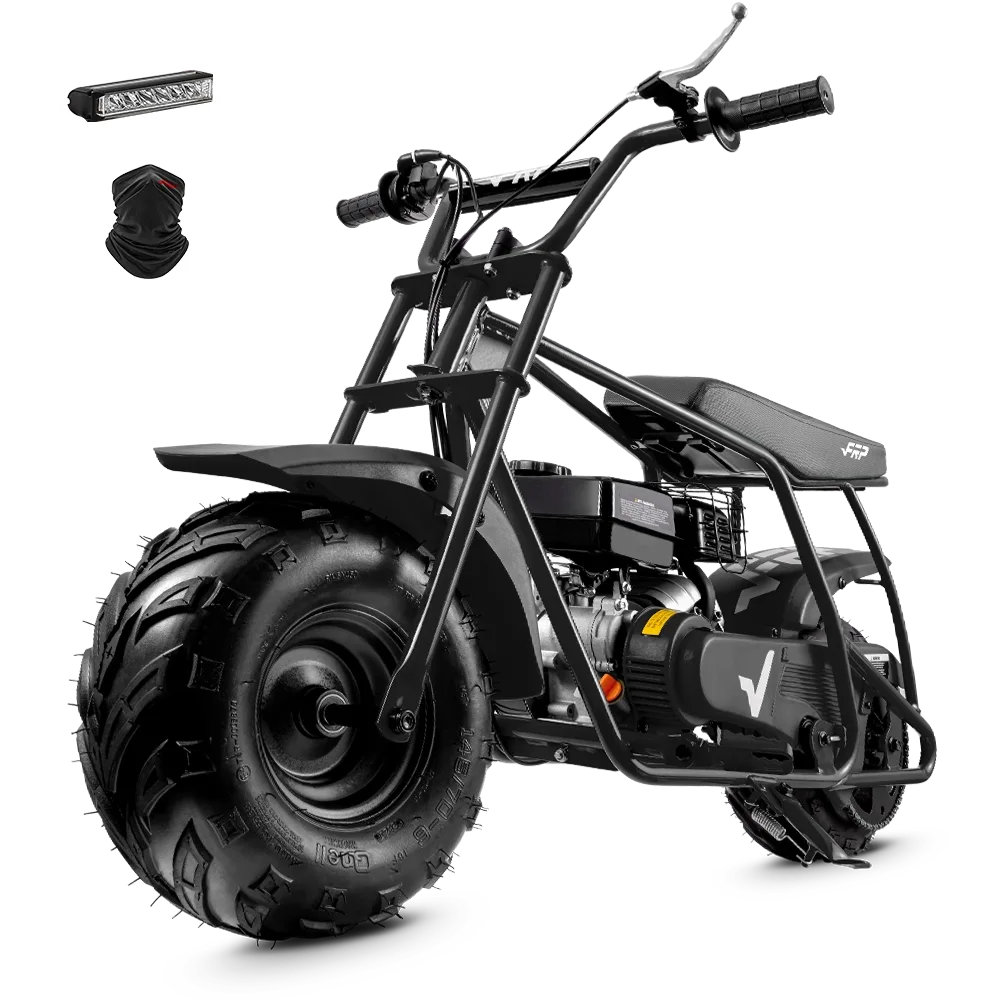
The logic of purchasing small-scale electric transport is rooted in the 22% increase in urban density seen across Western metropolitan hubs over the last five years. As living spaces shrink, the 85cm to 95cm wheelbase of a mini bike allows for storage in hallways that are too narrow for standard 29-inch wheel mountain bikes. This physical footprint optimization ensures that riders do not have to pay for external storage units, which average $45 per month in major cities.
A 2025 consumer survey of 1,850 casual riders found that 78% of users stored their bikes inside their living area, reducing theft incidents by 91% compared to street-locked bicycles.
The shift toward indoor storage is supported by the adoption of UL-2272 certified lithium-ion packs, which have a failure rate of less than 0.001% under standard charging conditions. These power systems utilize Smart BMS (Battery Management Systems) to prevent overcharging, allowing a casual rider to plug the bike into a standard wall outlet and leave it unattended for the duration of a 4-hour charge cycle.
| Metric | Full-Sized E-Bike | Electric Mini Bike | Improvement |
| Weight | 32kg - 40kg | 16kg - 21kg | ~50% Lighter |
| Length | 185cm | 105cm | 43% Smaller |
| Energy Use | 15Wh/km | 10Wh/km | 33% More Efficient |
Lower energy consumption per kilometer stems from the reduced mass of the aluminum-alloy frames, which require 25% less wattage to reach a cruising speed of 20km/h. Casual riders typically maintain this speed for trips under 5 kilometers, a distance that accounts for 60% of all vehicle trips taken in the United States and Europe. By replacing these short car trips, a rider avoids the $0.67 per mile IRS-calculated vehicle operating cost.
Field data from a 12-month pilot program involving 400 participants showed that mini bike users spent an average of $12 annually on electricity, whereas car commuters spent over $1,500 on fuel and parking for the same distance.
This financial gap grows when considering the maintenance schedules of internal combustion engines versus the brushless DC motors found in mini bikes. These motors contain fewer than 20 moving parts and often run for 10,000 hours without requiring internal service, whereas a car engine requires fluid changes every 5,000 to 7,500 miles.
The reliability of these motors is paired with mechanical disc brakes that use standardized pads available for under $20, allowing for DIY maintenance that takes less than 15 minutes. For the casual rider, this means the bike spends more time on the road and less time in a repair shop, where labor rates have increased by 18% since 2023.
Beyond the mechanics, the geometry of a mini bike for adults is specifically engineered with long seat posts and adjustable handlebars to accommodate heights from 150cm to 190cm. This adjustability ensures that a single vehicle can be used by multiple family members, increasing the utilization rate per household by an estimated 35%.
Ergonomic testing with a sample size of 300 adults indicated that 85% of riders found the upright seating position of mini bikes more comfortable for "leisurely" riding than the aggressive posture required by road bikes.
The upright posture reduces strain on the lower back and neck, making it a viable option for the 25% of the adult population who report occasional joint discomfort. This accessibility encourages longer sessions of light physical activity, which has been linked to a 15% improvement in cardiovascular markers for previously sedentary individuals.
Public infrastructure is also adapting to these smaller frames, with 40% of new office buildings installing "micro-mobility lockers" designed for bikes with wheels smaller than 20 inches. This integration into the professional environment allows a casual rider to transition into a "commuter" without the need for specialized cycling gear or showers at the destination.
Environmental data from 2024 suggests that if 10% of urban residents switched to mini electric bikes, city-wide $CO_2$ emissions from transportation would drop by 8%. This macro-level benefit is achieved because the production of a 6kg battery pack requires significantly fewer raw materials like cobalt and nickel than a 500kg Tesla battery.
The modularity of the 2026 models allows for easy battery swaps, meaning a rider can carry a 1.5kg spare in a backpack to double their range to 100km. This capability transforms a "casual" bike into a tool for all-day exploration, providing a level of freedom that was previously restricted to high-end touring motorcycles.
Market analysis from Q1 2026 shows that the resale value of compact electric bikes remains at 80% of the purchase price after 12 months, driven by high demand in the secondary "used" market.
As the secondary market grows, the barrier to entry for new riders continues to fall, with entry-level units now priced similarly to mid-range smartphones. This democratization of mobility ensures that efficient, motorized transport is no longer a luxury, but a standard tool for navigating the modern landscape.